Newcastle’s Tyneside Classical centre and paired-door flats give exterior cleaning a shared-building and heritage focus. From Grey Street to South Heaton, permission, surface condition and access matter more than treating every city property alike.
Classical centre, shared homes and later landmarks
Grainger and Dobson’s 1830s Tyneside Classical centre includes Grey Street, with Grey’s Monument a distinctive reference point. Sandstone frontages need a gentle, condition-aware approach rather than aggressive pressure. These landmarks describe the city, not buildings where we claim cleaning jobs.
Paired front doors remain a feature of Tyneside flats in South Heaton. Roofs and gutters serving two households require the authorised sections and shared outlets identified before booking. The Grade II* Byker Wall supplies another architectural context, but a landmark’s listing does not establish the condition of a neighbouring property.
Permissions before equipment settings
Article 4 directions include Jesmond and Heaton, Summerhill and St Peter’s Basin. These directions are planning context, not a blanket statement that routine cleaning needs consent. Check relevant restrictions for the actual building and proposed work before any method is agreed.
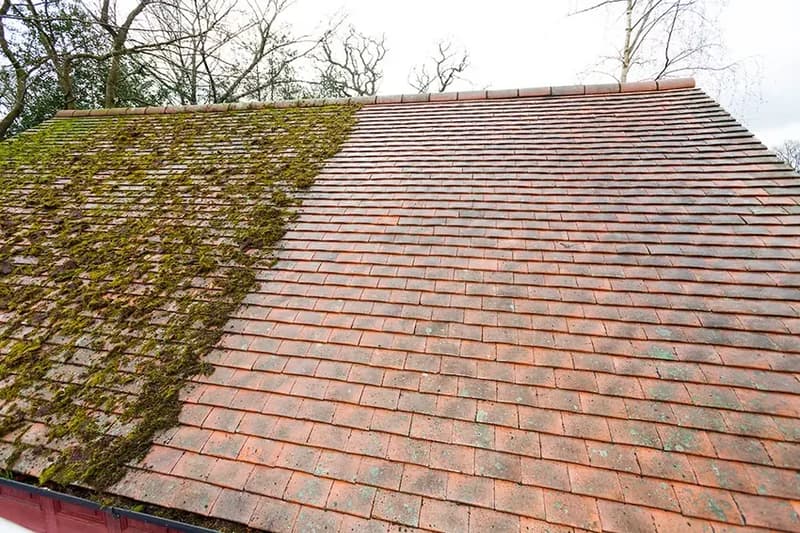
For sandstone, weathered joints or a delicate covering, gentle cleaning is considered according to the surface. Gutter clearing concerns channel debris, not masonry washing or replacement of roof fittings. We do not offer gutter repairs or roof repairs.
Riverside routes and the enquiry address
Medieval chares and stairs around the riverside can help explain an approach, but do not prove that every property has restricted access. Photos should show the route for equipment and the space below the elevation as well as the visible dirt.
Jesmond, Heaton, Byker, Ouseburn and Fenham help identify the address; Elswick, Walker, Gosforth, Kenton and the Quayside add further context. A district does not establish a guaranteed pole reach, one paving finish or a standard terrace layout.
Dry-weather grime and a suitable rinse
The dry climate means grime can remain between rain, rather than every yard or roof being assumed wet. Water is described as moderately soft to slightly hard and fluoridated. That description does not diagnose deposits on a building; window cleaning uses a purified rinse rather than assuming tap water will dry without mineral spots.
Paving is assessed for suitable pressure and any agreed re-sanding, while fragile stone may need soft washing. We serve homeowners and commercial customers from Washington NE37, up to 45 miles, and are fully insured. Call 07501060609 or use the form with the surfaces, permissions and access to be considered.