Soft Washing

A low pressure water system and specially formulated solution for the surfaces that should not be pressure washed.

An alternative for people wary of pressure washing

Plenty of homeowners want the outside of their property cleaned but are nervous about pressure washing, because a powerful jet can damage some surfaces. If that is how you feel, soft washing is the answer we recommend.

Soft washing combines a low pressure water system with specially formulated ingredients. The solution is made from dilute products such as algaecide, bleach, surfactants and biocides mixed with water, and it cleans by treating the growth and dirt rather than forcing it off with pressure.

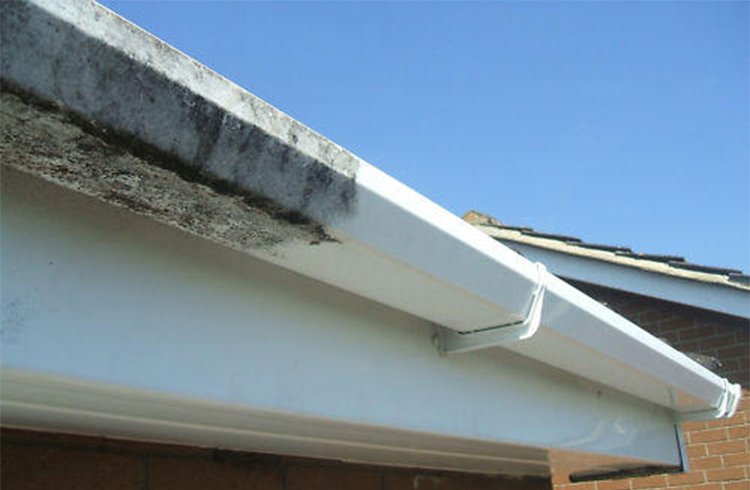
It is suitable for a wide range of exterior surfaces, including roofs, metal, concrete, wood decks, painted surfaces, glass and PVC. It gently removes moss, patio black spot, lichen, mould, algae, spores and bacteria, and it is one of the most environmentally friendly and effective alternatives to power washing.

Low pressure water

The water system runs at low pressure, so delicate finishes are not stripped or eroded.

Formulated solution

Dilute algaecide, surfactants and biocides do the cleaning, working on the growth directly.

Many surfaces

Roofs, metal, concrete, wood decks, painted surfaces, glass and PVC can all be soft washed.

Biocide trained

Professional biocide training was completed in 2024, and we are fully insured.

Soft wash or pressure wash

When soft washing is the better choice

Pressure washing is ideal for hard wearing ground surfaces such as block paving and concrete driveways, where a strong stream of water shifts heavy dirt quickly. On a roof, a painted wall, a PVC fascia or a timber deck, the same force can do harm, which is why we switch methods.

Soft washing also deals with problems that pressure alone struggles with. Patio black spot, for example, is a lichen that sits tight in the surface of the stone, and it responds to the solution rather than to more force.

On many jobs we use both. A driveway might be pressure washed while the house walls or fascias beside it are soft washed, so each surface gets the treatment that suits it.

What soft washing can clean

  • Roofs, with moss and lichen treated
  • PVC fascias, soffits and frames
  • Wood decks and timber surfaces
  • Concrete and painted surfaces
  • Metal and glass exterior surfaces
  • Patios affected by black spot

Signs soft washing is the right method

  • Moss or lichen on a roof or ledge
  • Green algae on PVC or painted surfaces
  • Black spot on a patio that will not shift
  • A surface that looks too delicate for a jet
  • Mould and spores returning after a rinse
  • Previous pressure washing that left marks

How we soft wash a surface

  1. 1

    Identify the surface

    We check what the surface is made of and what is growing on it before choosing the mix.

  2. 2

    Prepare the area

    Nearby planting and features are considered so the solution stays where it is needed.

  3. 3

    Apply at low pressure

    The solution is applied gently so it can reach the growth and begin working.

  4. 4

    Let it work

    Time is allowed for the solution to act on moss, algae, lichen and mould.

  5. 5

    Rinse and review

    The surface is rinsed and checked, and any stubborn areas are treated again.

Soft washing questions

See roof cleaning and roof moss removal

Where we work

We travel up to 45 miles from our NE37 base in Washington, seven days a week, which takes in Sunderland, Newcastle, Gateshead, Durham and the towns listed on our areas page.

See the towns we cover