Tarmac Restoration

Faded, stained or green tarmac cleaned with a professional cleaner and light pressure, then re-sealed.

Bringing tired tarmac back

Tarmac is one of the most commonly used surfaces in the UK. It is laid on domestic driveways and on commercial surfaces such as car parks, school playgrounds and tennis courts. Wherever it is, it ages in the same way: sunlight and weather dry it out over time, and it fades from black to a dull grey.

Dry, faded tarmac also collects stains, and moss and algae creep in from the edges and any shaded areas. The result is a surface that looks older than it is.

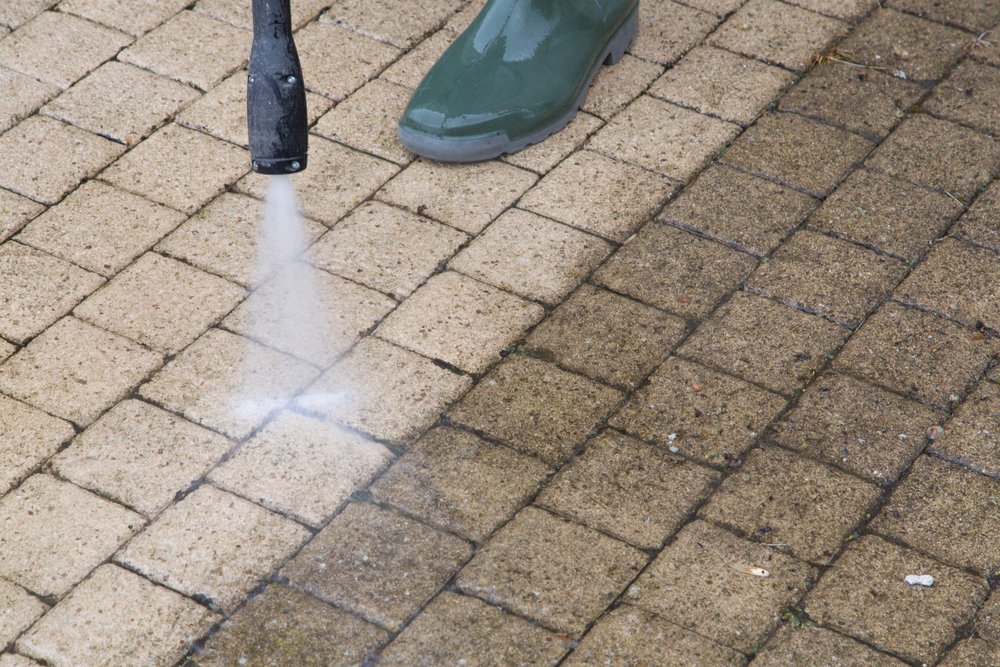
Our tarmac restoration starts with a cleaning solution, either a professional tarmac cleaner or a mixture of detergent and water, applied to the surface. We then use light pressure washing, remove spills, stains, moss and algae, and finish with re-sealing.

Because the cleaning solution does much of the work, the pressure used on the surface can stay light, which is kinder to tarmac than a heavy jet. The same approach applies whether the tarmac is a single domestic drive or a larger surface. If you have a block paving or concrete drive instead, that is covered by our driveway cleaning service. We are fully insured and trained in spill management, and we travel up to 45 miles from our NE37 base, seven days a week.

Proper cleaning solution

A professional tarmac cleaner or detergent mix is applied before washing.

Light pressure only

Tarmac is washed with light pressure rather than a heavy jet.

Moss and algae removed

Green growth is cleared from edges, joints and shaded areas.

Re-sealed

Re-sealing finishes the job and helps the surface look refreshed.

Why tarmac fades

Sun, weather and drying out

Fresh tarmac is dark and even. Constant exposure to sunlight and weather gradually dries it out, which is what causes the grey, tired look on older drives.

As the surface dries, spills and stains show up more, and moss and algae find it easier to take hold in the edges and any hollows that hold water.

Cleaning away the growth and stains and then re-sealing is what restoration means here. It is a different job from pressure washing block paving, which is why tarmac has its own page.

What tarmac restoration includes

  • Cleaning solution applied to the tarmac
  • Light pressure washing
  • Removal of spills and stains
  • Moss and algae removal
  • Re-sealing of the surface
  • Domestic drives and larger tarmac areas

Signs your tarmac needs restoring

  • A grey, faded surface
  • Oil or fuel spill marks
  • Moss along the edges
  • Green algae in shaded patches
  • A drive that looks older than the house
  • Stains that washing alone has not moved

How we restore tarmac

  1. 1

    Inspect the surface

    We look at staining, growth and how dried out the tarmac is.

  2. 2

    Apply the cleaner

    A professional tarmac cleaner or detergent mix goes on first.

  3. 3

    Light pressure wash

    The surface is washed with light pressure to lift the dirt.

  4. 4

    Treat stains and growth

    Spills, stains, moss and algae are removed.

  5. 5

    Re-seal

    The clean surface is re-sealed.

Tarmac restoration questions

Block paving or concrete? See driveway cleaning

Where we work

We travel up to 45 miles from our NE37 base in Washington, seven days a week, which takes in Sunderland, Newcastle, Gateshead, Durham and the towns listed on our areas page.

See the towns we cover